What is The Movement Standard?
A Different Way to Practice
We work with strength, mobility, coordination, balance, floorwork, handbalancing, rhythm, awareness, and skill, not as separate categories, but as parts of one connected practice. The aim is to build a more capable body and a more intelligent relationship with how you move.
This is more than exercise, it’s a Practice.
What Is Movement Practice?
There is no single doorway into movement practice. Some people begin through strength. Others through mobility, handstands, floorwork, balance, coordination, or simply wanting to feel more at home in their body. Wherever you begin, the aim is not to collect disconnected exercises, but to connect the pieces into a fuller physical practice.
Movement practice is not just a collection of exercises, it is a way of studying the body through attention, repetition, challenge, awareness, and skill. Wherever you begin, the aim is to connect the pieces into a fuller physical practice; one that helps you move with more capacity, intelligence, adaptability, and presence.
The Five Pillars of Our Practice
Movement is broad by nature, so we use maps to help organize the territory. One of those maps is M.O.D.A.S., five pillars that give shape to the way we practice and teach.
Martial
Practices that develop timing, rhythm, responsiveness, distance, coordination, and the ability to relate to another person.
Object Work
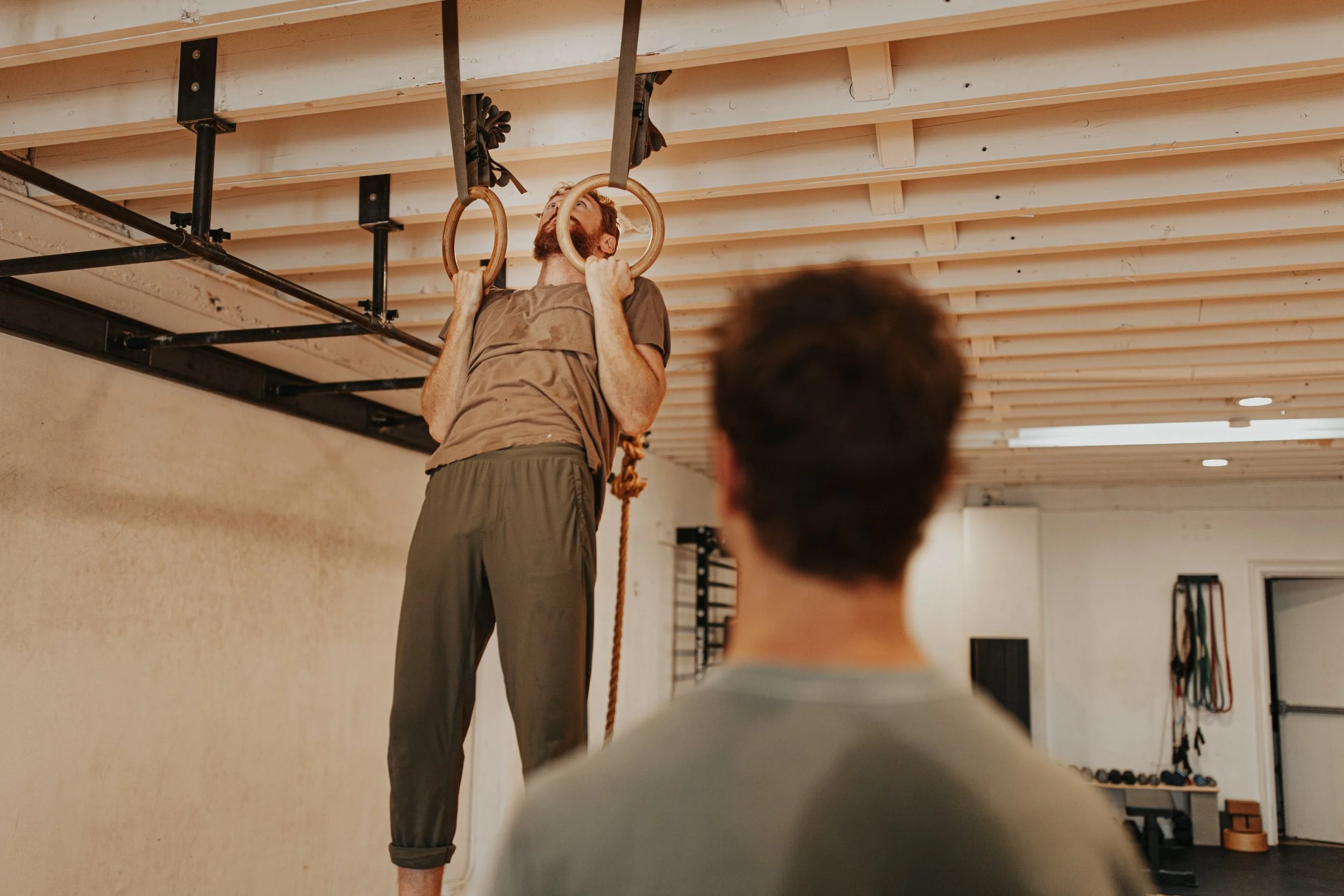
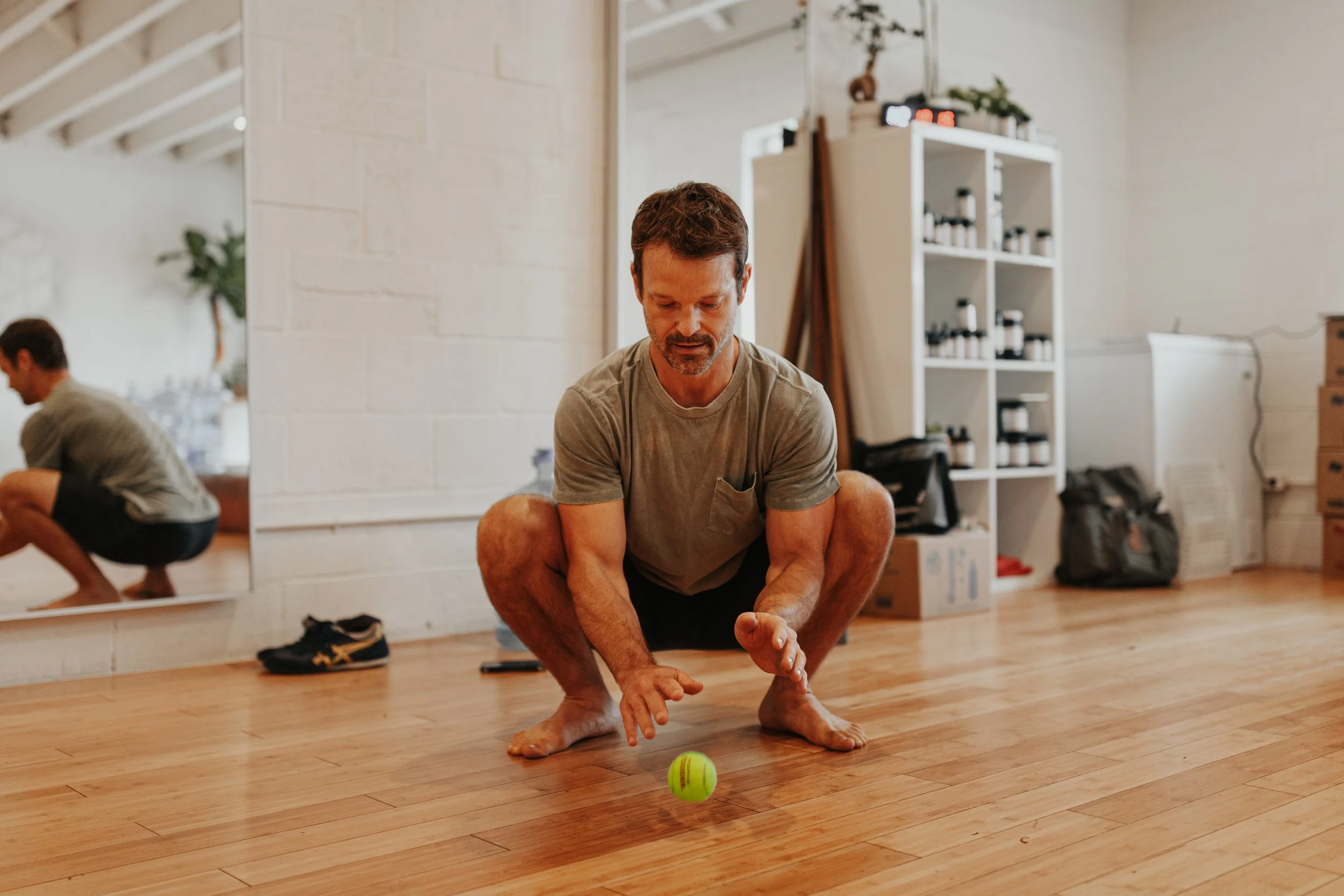
Using tools, props, and external objects to develop coordination, attention, adaptability, and problem-solving. This includes strength work with barbells, rings as well as tools to help body awareness in motion
Dance
The abstraction of ideas to make available in the body. Exploring rhythm, expression, sequencing, creativity, and the ability to move with more freedom and nuance.
Acrobatics
Dealing with forces, ground reaction, weight shifts, gravity, while building strength, balance, inversion, floor-work, falling, rolling- improving the ability to move through space with confidence.
Somatics
Developing awareness of how we experience ourselves from the inside, sensitivity, breath, perception, and a deeper relationship with the body.
Together, these pillars help us study the body and mind from many angles, not just as something to train, but as something to understand.

What This Looks Like in Practice
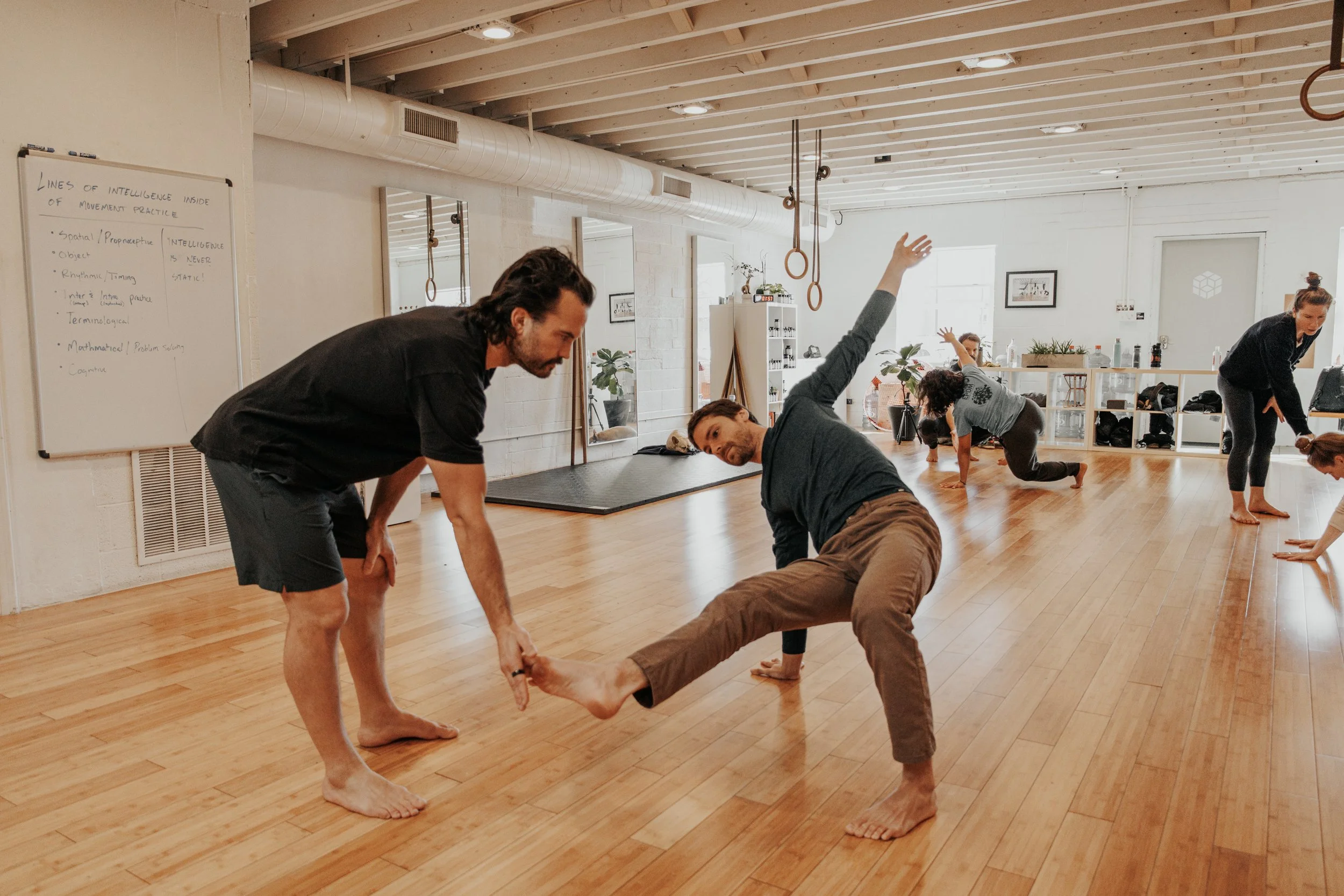
A class at The Movement Standard may include strength work, mobility, handstands, floorwork, coordination games, partner work, object work, or quiet awareness-based exploration.
Some practices are physically challenging. Some are subtle and slow. Some are playful. Some require deep focus, repetition, and patience. The goal is not to perform random exercises or chase intensity for its own sake. The goal is to build a body that is strong, mobile, coordinated, adaptable, and attentive.
Over time, students begin to develop more options; more ways to move, more ways to learn, and more ways to relate to themselves through the body.